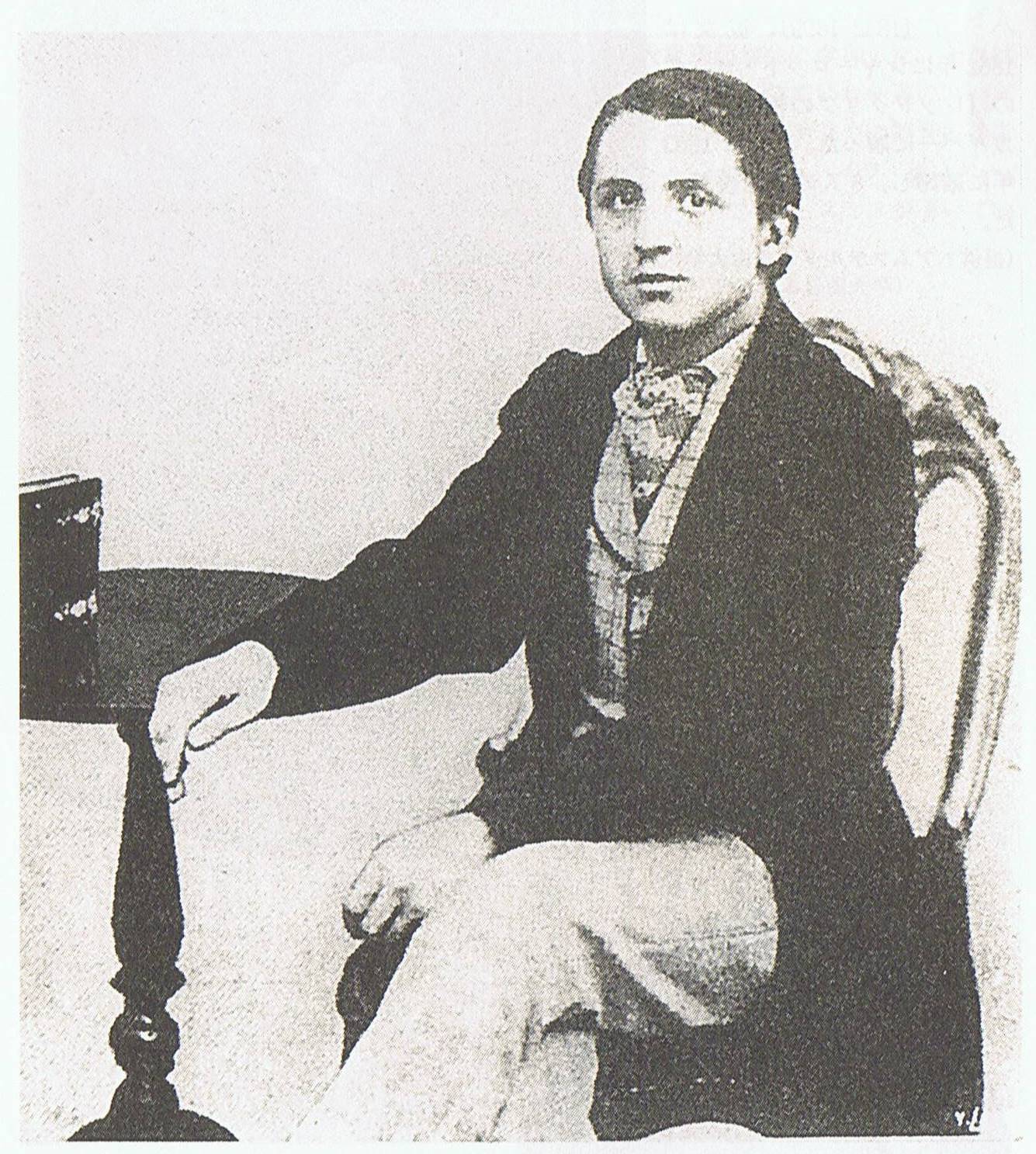
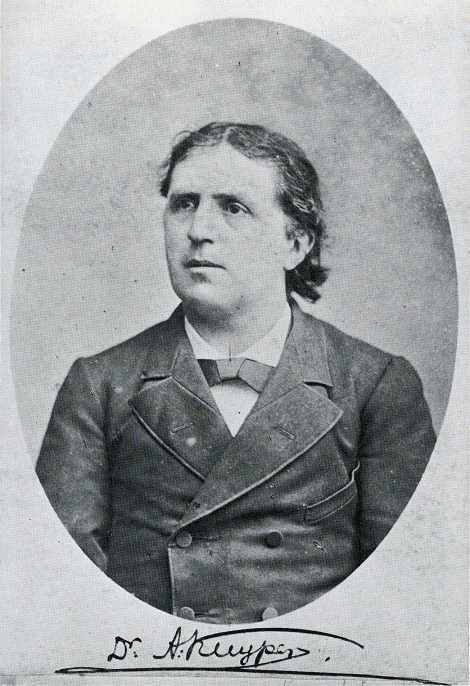
Saturday, 20 August 2011
Abraham Kuyper timeline 4 (posthumous publications)
1922 Dagen van goede boodschap
1923 J. C. Rullman publishes a bibliography of Kuyper's works; an online version is available here
1924 'Modernism, A Fata Morgana in the Christian World', in Gerrit Hendrik Hospers, The Reformed Principle of Authority. Grand Rapids: The Reformed Press: 15-35.
c. 1925 Political speeches by Kupyer and others - edited by H Colyn: Includes: Wat nu?; De Kleyne luyden; De wortel in de dorre aarde; De meiboom in de kap; Volharden bij het ideaal; Eer is teer
1928 His Decease at Jerusalem: meditations on the passion and death of Our Lord translated by John Hendrik De Vries
Keep thy Solemn Feasts, trans. John Hendrik de Vries. Grand Rapids: Eerdman
1929 The consummation [in Dutch] edited by H H Kuper
When thou sittest in thine house: meditations on home life translated from the Dutch by John Hendrik De Vries
In the Shadow of Death: meditations for the sick-room and at the death-bed translated by John Hendrik De Vries Grand Rapids: Eerdmans
Asleep in Jesus (translated by J. H. De Vries) Grand Rapids: Eerdmans
When Thou Sittest In Thine House Grand Rapids: Eerdmans
1933 Women of the New Testament: thirty meditations translated from the Dutch by Henry Zylstra
1934 The implications of public confession. Translated from the Dutch by Henry Zylstra [2007 version reprinted]
The Biblical doctrine of Election (translated by G. M. Van Pernis) Grand Rapids: Zondervan.
Chiliasm, or the Doctrine of Premillennialism (translated by G. M. Van Perris) Grand Rapids: Zondervan
1935 The Revelation of St. John translated from the Dutch by John Hendrik de Vries [1999 version reprint]
'Immanuel,' trans. J. H. De Vries, Christianity Today, VI (December): 155-6.
'Whatsoever ye Do, Do it Heartily, as to the Lord', trans. J. H. De Vries, Christianity Today, VI (November): 130-31.
1936 'Blessed are the pure in heart' (translated by John Hendrik de Vries) Christianity Today (Dec): 183-4
'By the resurrection of the dead' (translated by John Hendrik de Vries) Christianity Today (Oct): 137-9
'But some doubted' (translated by John Hendrik de Vries) Christianity Today (Sept): 111-2
'The course of the age are His' (translated by John Hendrik de Vries) Christianity Today (Jan): 183-4
'Every one which seeth the Son,' trans. J. H. De Vries, Christianity Today, VI (February): 203-4
'The Firstborn from the Dead,' trans. J. H. De Vries, Christianity Today, VI (April): 250-52
'A Meditation on the Resurrection — "Highly Exalted",' trans. J. H. De Vries, Christianity Today, VI (March): 227-9
'The Resurrection of our Lord Jesus Christ,' trans. J. H. De Vries, Christianity Today, VII (July): 53-5.
'The Sign of Jonas,' trans. J. H. De Vries, Christianity Today, VII (November):160-62.
'Swallowed up in victory,' trans. J. H. De Vries, Christianity Today, VII (May ): 10-13.
'Thou hast Shown me the Faith of Life', trans. J. H. De Vries, Christianity Today, VII (August): 90-91.
'Who Quickeneth the Dead,' trans. J. H. De Vries, Christianity Today, VII (June): 33-5
1937 'The Signs of the Times,' trans. J. H. De Vries, Christianity Today, VII (January): 206-7.
1943 Lectures on Calvinism
1946 His Decease at Jerusalem, abridged & ed. Stuart R Garver. Grand Rapids: Eerdmans
1948 The Practice of Godliness trans. Marian M. Schoolland. Grand Rapids: Baker Book House,
1950 Christianity and the class struggle translation of Het sociale vraagstuk en de Christelijke religie by Dirk Jellema
Abraham Kuyper on Evolution edited by Steve van der Weede. Grand Rapids: Youth and Calvinism Group.
1954 Principles of Sacred Theology. Translated from the Dutch by J. Hendrik de Vries. With an introduction by B. B. Warfield
1955 'Concerning the antithesis' (tranlated by Henry R. Van Til) Torch and Trumpet 4: 31-2
1960 The Death and Resurrection of Christ: Messages for Good Friday and Easter. Translated by Henry Zylstra. Grand Rapids: Zondervan
1961 Women of the Old Testament, trans. Henry Zylstra. Grand Rapids: Zondervan Publishing House
1962 Women of the New Testament, trans. Henry Zylstra. Grand Rapids: Zondervan Publishing House
1972 'On Political Cartooning,' trans. Gordon Spykman. Reformed Journal, 26: 18-21
1977 - 86
A Pamphlet on the Reformation of the Church, trans. Herman Hanko, The Standard Bearer, vols 54-63
1980 Christianity as a life-System: The Witness of a World-View (abridgment of Stone Lectures. Foreword by Mckendree Langley. Memphis: Christian Studies Center
1982 'The dominion of Christ's kingship' Christian Renewal vol. 1 pp. 1-2, 20-1
'The Lord Reigns,' Christian Renewal vol. 1, pp.1-2,14-15.
'Glory to God in the Highest!' Christian Renewal vol. 1 , pp.5-6
1985 'The dogma of evolution' Christian Renewal vol. 3 p. 2 - a brief extract.
1991 The Problem of Poverty edited and introduced by James W. Skillen - update of 1950. [2011 version from Dordt College Press]
'The Anti-Revolutionary Program' in Political Order and the Plural Structure of Society ed James Skillen and Rockne McCarthy. Atlanta: Scholars Press. Extracts translated by Harry der Nederland and Gordon Spykman.
1996 'Evolution' (translated by Clarence Menninga) Calvin Theological Journal 31: 11-50.
1998 Abraham Kuyper: A Centennial Reader James D. Bratt (ed.) Grand Rapids: Eerdmans
2001 Particular Grace: A Defense of God's Sovereignty in Salvation translated from the Dutch by Marvin Kamps
2003 'Missions according to Scripture'. Translated by Pieter Tuit from Kuyper’s De zending naar de Schrift: inleidend woord voor het elfde jaarfeest der Nederlandsche Gereformeerde Zendings-Vereeniging (“Missions According to Scripture: Introductory Speech for the Eleventh Anniversary of the Dutch Reformed Mission Society”). Calvin Theological Journal 38: 237
2008 Days of Glad Tidings - Pentecost (with Ascension Day) vol. III (translated from Dagen van Goede Boodschap -Op den Pinksterdag (Met Hemelvaart) J.A. Wormser: Amsterdam, 1888 - by Jack Van Meggelen)
c. 2009 'Abraham Kuyper on Separate organizations' extract from Pro Rege, or the Kingship of Christ (Kampen: Kok, 1912), 3:184–94 (§ XIX) Translated and abridged by Harry Van Dyke
Friday, 19 August 2011
Incarnation of the Antithesis by R. E. L. Rogers
The Incarnation of the Antithesis
An Introduction to the Educational Thought and Practice of Abraham Kuyper
Dr R. E. L. Rogers
The Pentland Press, Durham, 1992 (out of print)
ISBN 1 872795 91 9
pbk, xvi+89 pp
This book on the Kuyper's educational achievements and thoughts started life as a MEd thesis at the University of Ulster.
It provides a good introduction to Kuyper's educational thought. Three elements of Kuyper's thought are singled out: his Calvinism, common grace and sphere sovereignty. His educational achievements, notably, the role Kuyper and his Anti-Revolutionary Party played in opposing the secularisation of education in the Netherlands. The 1876 Heemskerk higher education law paved the way for Kuyper and others to form the Free University - a university founded on distinctly Christian principles and philosophy, this story is the subject of chapter 4. It was a free university in the sense that it would be free from both church and State constraints.
Finally Rogers looks at Kuyper's influence. Here he brifly focuses on Bavinck, Dooyeweerd and Van Til and the way in which they developed Kupyper's work.
This book provides a good summary of Kuyper's influence in education. He draws extensively on secondary materials in particular Vanden Berg's and Praamsma's biographies of Kuyper and from Richard Russell's MEd thesis. He also utilises papers on Bavinck and van Til's educational ideas by C. Jaarsma and G. J. Maffet, respectively, of which I was previously unaware.
There is a helpful short bibliography of books, but the list of journal articles omits the author names.
Open Library page
Contents
Foreword (by Viscount Tonypandy)
Introduction
1. Biographical Introduction
2. The basis of Kuyper's educational philosophy
3. Educational involvement: practical and legislative
4. The Free University of Amsterdam
5. The transmission of Kuyper's influence
Bibliography
Index of persons
An Introduction to the Educational Thought and Practice of Abraham Kuyper
Dr R. E. L. Rogers
The Pentland Press, Durham, 1992 (out of print)
ISBN 1 872795 91 9
pbk, xvi+89 pp
This book on the Kuyper's educational achievements and thoughts started life as a MEd thesis at the University of Ulster.
It provides a good introduction to Kuyper's educational thought. Three elements of Kuyper's thought are singled out: his Calvinism, common grace and sphere sovereignty. His educational achievements, notably, the role Kuyper and his Anti-Revolutionary Party played in opposing the secularisation of education in the Netherlands. The 1876 Heemskerk higher education law paved the way for Kuyper and others to form the Free University - a university founded on distinctly Christian principles and philosophy, this story is the subject of chapter 4. It was a free university in the sense that it would be free from both church and State constraints.
Finally Rogers looks at Kuyper's influence. Here he brifly focuses on Bavinck, Dooyeweerd and Van Til and the way in which they developed Kupyper's work.
This book provides a good summary of Kuyper's influence in education. He draws extensively on secondary materials in particular Vanden Berg's and Praamsma's biographies of Kuyper and from Richard Russell's MEd thesis. He also utilises papers on Bavinck and van Til's educational ideas by C. Jaarsma and G. J. Maffet, respectively, of which I was previously unaware.
There is a helpful short bibliography of books, but the list of journal articles omits the author names.
Open Library page
Contents
Foreword (by Viscount Tonypandy)
Introduction
1. Biographical Introduction
2. The basis of Kuyper's educational philosophy
3. Educational involvement: practical and legislative
4. The Free University of Amsterdam
5. The transmission of Kuyper's influence
Bibliography
Index of persons
Abraham Kuyper by Frank Vanden Berg
Abraham Kuyper: A Biography
Frank Vanden Berg
Paideia Press: St Catherines, Ontario, 1978
(Original edition Eerdmans, 1960)
ISBN 0-88815-015-6
This book does exactly what it says on the cover: its a biography of Abraham Kuyper.
Vanden Berg is a great admirer of Kuyper and this comes through in this workman like book. He covers the whole of Kuyper's career largely chronologically. The emphasis is very much on what Kuyper did and the motivations behind it. However, we find little of Kuyper the person and his family life. His wife and children get little mention.
Nevertheless, this is a great place to start to get to know Kuyper and his very many achievements.
There is an index but no bibliography. Though many of Kuyper's lecturers, articles and books are mentioned in the text, often with useful summaries.
Sadly the book is out of print - however, the good news is that it is available as a pdf here (11 MB)
Open Library book page
Contents
1.A Home by the Sea
2. Letters and Theology
3. Books and a Book
4. Village Clergyman
5. The Utrecht Pastorate
6. Minister of the Amsterdam Church
7. From Pulpit to Parliament
8. "Congressman" Kuyper
9. Dr. Kuyper Organizes His Forces
10. University Founder
11. University Professor and Builder
12.The Reformation of 1886 (I)
13. The Reformation of 1886 (II)
14.The Reformation of 1886 (III)
15. Political Leader
16. The Early Nineties
17. The Middle Nineties
18. The Later Nineties
19. Prime Minister (I)
20. Prime Minister (II)
21. Prime Minister (III)
22. At Home and Abroad
23. Elder Statesman
24. Eventide
25. The Last Year
Frank Vanden Berg
Paideia Press: St Catherines, Ontario, 1978
(Original edition Eerdmans, 1960)
ISBN 0-88815-015-6
This book does exactly what it says on the cover: its a biography of Abraham Kuyper.
Vanden Berg is a great admirer of Kuyper and this comes through in this workman like book. He covers the whole of Kuyper's career largely chronologically. The emphasis is very much on what Kuyper did and the motivations behind it. However, we find little of Kuyper the person and his family life. His wife and children get little mention.
Nevertheless, this is a great place to start to get to know Kuyper and his very many achievements.
There is an index but no bibliography. Though many of Kuyper's lecturers, articles and books are mentioned in the text, often with useful summaries.
Sadly the book is out of print - however, the good news is that it is available as a pdf here (11 MB)
Open Library book page
Contents
1.A Home by the Sea
2. Letters and Theology
3. Books and a Book
4. Village Clergyman
5. The Utrecht Pastorate
6. Minister of the Amsterdam Church
7. From Pulpit to Parliament
8. "Congressman" Kuyper
9. Dr. Kuyper Organizes His Forces
10. University Founder
11. University Professor and Builder
12.The Reformation of 1886 (I)
13. The Reformation of 1886 (II)
14.The Reformation of 1886 (III)
15. Political Leader
16. The Early Nineties
17. The Middle Nineties
18. The Later Nineties
19. Prime Minister (I)
20. Prime Minister (II)
21. Prime Minister (III)
22. At Home and Abroad
23. Elder Statesman
24. Eventide
25. The Last Year
Thursday, 18 August 2011
Abraham Kuyper timeline 3 (1901-1922)
1901 Becomes Dutch primeminister of a coalition government
Moves to The Hague (5 De Kanaalstraat)
At ARP national convention keynote speech on 'Perseverance in the pursuit of our ideal'
Queen Wilhelmina marries the Duke Heinrich of Mecklenburg-Schwerin
Drie kleine vossen [Three little foxes - the three are: intellectualism, mysticism and practicalism]
Evolutionismus: das Dogma moderner Wissenschaft [German translation]
Volharden bij het ideaal [Insisting on the Ideal - remarks at a meeting of the deputies]
1902 Queen Wilhemina becomes gravely ill
Common grace [Parts in Bratt's Centennial Reader p. 165ff] [CG Translation project]
In Jezus ontslapen: meditatien [Asleep in Jesus: a meditation]
1903 Country plagued by strikes
Vier uwe vierdagen: meditatiën
Albert Hahn produces 'Abraham de Geweldige' cartoon
1904 Russian-Japanese war begins
'Common grace in science' [In Bratt's Centennial Reader p. 441ff]
German translation of Lectures on Calvinism published translated by Martin Jaeger
'The Biblical criticism of the present day' in Biblica Sacra
1905 Higher Education Law enacted
Becomes part of the opposition
Sociale hervormingen [Social reform - bills devised by Kuyper's party]
Herman Bavinck delivers keynote speech to ARP convention
1905-07 Grand tour of the Mediterranean
1906 Verplichte verzekering
150th anniversary of poet Bilderdyk- interrupts tour to give speech
Bilderdijk in zijne nationale beteekenis - speech in Amsterdam
1907 Re-elected Chair of the ARP
Resumes editorship of De Heraut - begins series on Pro Rege
Om de oude wereldzee [Around the Ancient World Sea] - contains 'Mystery of Islam' [translated by Jan Boer]
1908 Honorary title of Minister of State bestowed on Queen Wilhelmena's birthday
Returns to the House of Representatives for Ommen district
Awarded honorary doctorate by Delft Technological University
'Our instinctive life' [In Bratt's Centennial Reader p. 255f]
Nabij God te zijn
Zelfstandig gemeentewezen
Parlementaire redevoeringen [Parliamentary speeches]
Verjaardag-album met motto's uit de werken van Dr. A. Kuyper A retrospective of his career to mark the end of his work at the VU
1909 Wij, Calvinisten - opening remarks to ARP national convention (400th anniversary of birth of Calvin)
Brings into politics Hendrik Colyn
Receives honourary doctorate from the Catholic university of Louvain, belgium
Book of cartoons of Kuyper published
Nadere verklaring
De leer der Verbonden
Voor den slag
Practijk der Godzaligheid [Translated as Practice of Godliness]
Heils termen
Honig uit den rotssteen
Dat de genade particulier is
Het heil ons toekomende
Het heil in ons
1911 Begins a series on the consummation in De Heraut - completed in 1918
Pro Rege: of Het Koningschap van Christus - [contains You Can Do Greater Things than Christ translated by Jan Boer]
Onze Eeredienst [Translated as Our Worship] - began as a series of articles in 1897
1912 Leaves politics due to ill health
40th anniversary of De Standaard
Een geloofsstuk - address to VU society in Haarlem
Uit het diensthuis uitgeleid [Brought out of the house of bondage]- speech in Leeuwarden, Groningen and Rotterdam
Zijn uitgang te Jerusalem - meditations on the suffering of our Lord
In Jezus ontslapen [Asleep in Jesus]
Afgeperst
1913 Elected to the First Chamber
De meiborn in de kap - delivered to the meeting of the ARP deleates/ deputies
Der Jongelingen sieraad is hun kracht - address given at the Jubilee of the Confederation of Reformed Young Men
Heilige orde- speech to ARP in Amsterdam
1914-18 Sided with the Germans in WWI – an anti-British rather than a pro-German stance; he opposed the British ever since the Boer War
1914 De eereposite der vrouw [Women in the Bible - articles first appeared in the Amsterdam Church Messenger]
A kálvinizmus lényege - in Hungarian translated by Czeglédi Sándor with introduction by Sebestyén Jenö
1915 Starrentritsen: Editio castigata
Eudokia - speech delivered to the Eudokia Institute in Rotterdam
1916 2000th issue of De Heraut published (Kuyper wrote about 2000 meditations for it)
De wortel in de dorre aarde - delivered to a meeting of the Deputies
Antirevolutionaire staatkunde: met nadere toelichting op ons program - this was the last book he wrote
The Evolution of the Use of the Bible in Europe in Centennial Pamphlets, No. 2. American Bible Society: New York, 1916
1917 Luther herdacht in 1917
De positie van Nederland
De 'kleyne luyden' - at meeting opening of the Deputies
1918 To Be Nearer Unto God published in English translated by J. H. De Vries.
Wat nu? - at opening of the Deputies
1919 Deaths of Jan Woltjer and F. L. Rutgers
Resigns ARP leadership
Revd W. F. A. Winckel's Leven Arbeid van Dr. Kuyper [Life and Work of Dr A. Kuyper] published
1920 Dies in The Hague
Buried in the cemetry Oud Eik en Duinen
Photograph by Andre van der Veenen
Wednesday, 17 August 2011
Abraham Kuyper timeline 2 (1879-1901)
This is the second part of a timeline/ chronology of Abraham Kuyper. Please let me know of any corrections/ additions etc.
1879 Anti-Revolutionary Party (ARP) becomes first national party under Kuyper
Accepts seat in second chamber has to resign as a minister of the church
'Our Program’ for the ARP is published
Revisie der revisie-legende
De leidsche Professoren en de Executeurs der Dordtsche Nalatenschap
Twaalftal leerredenen (eerste en tweede zestal) [Dozen sermons]
"perfectionism" [In Bratt's Centennial Reader p. 141ff]
1880 The Free University (VU) opens
Family moves back to Amsterdam from The Hague
Princess Wilhelmina reachers majority age and becomes queen
"Strikt genomen" [Strictly speaking]
Bede om een dubbel "Corrigendum," aan A.W. Bronsveld [Petition for double corrigendum to Bronsveld]
"The antithesis between symbolism and meaning"
Inaugural preached: ‘Sovereignty in the individual sphere’[In Bratt's Centennial Reader p. 461ff]
1880-1901 Professor at the Free University
1881 VU has 5 professors and 5 students
Serves as the first Rector of the VU
Kuyper's mother and father die
1882 Mother and father die
Appointed as an elder by the Electoral commission of the State church
1883 Starts writing a series on the Holy Spirit for De Heraut
Publishes a monograph/tract on Reformation of the Churches
1884
1885 Writes brochure ‘The threatening conflict’
1886 Withdraws from the National Church and forms Doleantie (grieving ones)
"It shall not be so among you" [In Bratt's Centennial Reader p. 125ff]
"The conflict has come" - three pamphlets
1887 Serves as Rector to VU for the second time preached on 'Calvinism and art'
1888
1889 600 ARP delegates meet in 10th convention - Kuyper delivers ‘Not the liberty tree but the cross’
"Manual labour" [In Bratt's Centennial Reader p. 231ff]
1890 King William III dies
1891 Wrote ‘Calvinism and confessional revision’ in response to a proposal to revise the Westminster Standards
At ARP convention delivers speech on ‘Maranatha’ [In Bratt's Centennial Reader p. 205ff]
Presids over a provisional Synod for the Doleantie in The Hague
Delivers opening address at First Christian Social Congress - this becomes The Problem of Poverty
Voor een distel een mirt
Student notes of Kuyper's lectures in dogmatics
1892 Kuypers' nine-year-old son dies
Reformed Church in Netherlands formed from Doleantie and Christian Reformed Church (of 1834 succession)
Delivers lecture on panthesism ‘The destruction of the boundaries’ at VU [In Bratt's Centennial Reader p. 363 ff]
1893 Encyclopedia of Sacred Theology published
E Voto Dordraceno a series of articles from De Heraut on the Heidelberg Cathechism is published
In de Schaduwe des Doods
1894 Re-elected to House of Representatives for Sliedrect constituency
Concentrates on suffrage, labour and foreign affairs
Begins sereis on 'the angels of God' in Heraut
Encyclopædie der Heilige Godgeleerdheid
1895 Begins a series on common grace in De Heraut - completed in 1901
De Christus en de sociale nooden en democratische klippen
Proeve van pensioenregeling voor werklieden en huns gelijken
1896 Biblia published - a transation of the Bible in Dutch with Bavinck and F. L. Rutgers
1897 Re-elected to parliament
De Drie Formulieren van Eenigheid
Openingswoord ter deputatenvergadering
1898 Becomes chair of the Dutch Circle of Journalism
Serves as rector to the VU for the fourth time
Invited by B. B. Warfield to USA. Gives the Stone Lectures at Princeton Seminary: Calvinism
The full itinerary is given in John Bolt A Free Church, A Holy Nation Appendix B (20 Aug departs from Liverpool 27 Aug arrives, 10 Dec departs, 31 Dec arrives at Amsterdam)
Honorary Doctorate in Law from Princeton
Van het kerkelijk ambt
1899 Kuyper's wife dies
Moves from Prins Hendrikkade house to 164 De Keizersgracht next to the VU
First peace conference
Start of the Boer War
Article on the South African crisis published in Revue des deux Mondes
Evolutie - lecture delivered at VU [In Bratt's Centennial Reader p. 403 ff]
Band aan het woord
Amendement-Kuyper op de Ongevallenwet
Varia Americana
Als gij in uw huis zit
1900 The South-African Crisis - published by Stop the War Committee in London [In Bratt's Centennial Reader p. 323ff]
The Work of the Holy Spirit published in English translated by B. B. Warfield
To Be Nearer unto God - a series of devotions published
De Englen Gods (The angels of God) published
1901 Re-elected and becomes primeminster and Minister for Home Affairs
1879 Anti-Revolutionary Party (ARP) becomes first national party under Kuyper
Accepts seat in second chamber has to resign as a minister of the church
'Our Program’ for the ARP is published
Revisie der revisie-legende
De leidsche Professoren en de Executeurs der Dordtsche Nalatenschap
Twaalftal leerredenen (eerste en tweede zestal) [Dozen sermons]
"perfectionism" [In Bratt's Centennial Reader p. 141ff]
1880 The Free University (VU) opens
Family moves back to Amsterdam from The Hague
Princess Wilhelmina reachers majority age and becomes queen
"Strikt genomen" [Strictly speaking]
Bede om een dubbel "Corrigendum," aan A.W. Bronsveld [Petition for double corrigendum to Bronsveld]
"The antithesis between symbolism and meaning"
Inaugural preached: ‘Sovereignty in the individual sphere’[In Bratt's Centennial Reader p. 461ff]
1880-1901 Professor at the Free University
1881 VU has 5 professors and 5 students
Serves as the first Rector of the VU
Kuyper's mother and father die
1882 Mother and father die
Appointed as an elder by the Electoral commission of the State church
1883 Starts writing a series on the Holy Spirit for De Heraut
Publishes a monograph/tract on Reformation of the Churches
1884
1885 Writes brochure ‘The threatening conflict’
1886 Withdraws from the National Church and forms Doleantie (grieving ones)
"It shall not be so among you" [In Bratt's Centennial Reader p. 125ff]
"The conflict has come" - three pamphlets
1887 Serves as Rector to VU for the second time preached on 'Calvinism and art'
1888
1889 600 ARP delegates meet in 10th convention - Kuyper delivers ‘Not the liberty tree but the cross’
"Manual labour" [In Bratt's Centennial Reader p. 231ff]
1890 King William III dies
1891 Wrote ‘Calvinism and confessional revision’ in response to a proposal to revise the Westminster Standards
At ARP convention delivers speech on ‘Maranatha’ [In Bratt's Centennial Reader p. 205ff]
Presids over a provisional Synod for the Doleantie in The Hague
Delivers opening address at First Christian Social Congress - this becomes The Problem of Poverty
Voor een distel een mirt
Student notes of Kuyper's lectures in dogmatics
1892 Kuypers' nine-year-old son dies
Reformed Church in Netherlands formed from Doleantie and Christian Reformed Church (of 1834 succession)
Delivers lecture on panthesism ‘The destruction of the boundaries’ at VU [In Bratt's Centennial Reader p. 363 ff]
1893 Encyclopedia of Sacred Theology published
E Voto Dordraceno a series of articles from De Heraut on the Heidelberg Cathechism is published
In de Schaduwe des Doods
1894 Re-elected to House of Representatives for Sliedrect constituency
Concentrates on suffrage, labour and foreign affairs
Begins sereis on 'the angels of God' in Heraut
Encyclopædie der Heilige Godgeleerdheid
1895 Begins a series on common grace in De Heraut - completed in 1901
De Christus en de sociale nooden en democratische klippen
Proeve van pensioenregeling voor werklieden en huns gelijken
1896 Biblia published - a transation of the Bible in Dutch with Bavinck and F. L. Rutgers
1897 Re-elected to parliament
De Drie Formulieren van Eenigheid
Openingswoord ter deputatenvergadering
1898 Becomes chair of the Dutch Circle of Journalism
Serves as rector to the VU for the fourth time
Invited by B. B. Warfield to USA. Gives the Stone Lectures at Princeton Seminary: Calvinism
The full itinerary is given in John Bolt A Free Church, A Holy Nation Appendix B (20 Aug departs from Liverpool 27 Aug arrives, 10 Dec departs, 31 Dec arrives at Amsterdam)
Honorary Doctorate in Law from Princeton
Van het kerkelijk ambt
1899 Kuyper's wife dies
Kuyper and his wife
Moves from Prins Hendrikkade house to 164 De Keizersgracht next to the VU
First peace conference
Start of the Boer War
Article on the South African crisis published in Revue des deux Mondes
Evolutie - lecture delivered at VU [In Bratt's Centennial Reader p. 403 ff]
Band aan het woord
Amendement-Kuyper op de Ongevallenwet
Varia Americana
Als gij in uw huis zit
1900 The South-African Crisis - published by Stop the War Committee in London [In Bratt's Centennial Reader p. 323ff]
The Work of the Holy Spirit published in English translated by B. B. Warfield
To Be Nearer unto God - a series of devotions published
De Englen Gods (The angels of God) published
1901 Re-elected and becomes primeminster and Minister for Home Affairs
Tuesday, 16 August 2011
Abraham Kuyper timeline 1 (1837-1878)
I'm on a Kuyper-fest at the moment. Reading a lot of stuff about Kuyper.
To help me get a handle on his life I started to produce a timeline. I've posted the first part below (1837-1878). This is very much a first draft. I'll update it as I read more materials. Feel free to add or correct anything in the comments.
[Updated with added links of online books and articles 17/08/11]
[Updated with links to images on http://kerkgeschiedenis.web-log.nl]
1837 Born 29 October in Maassluis, Holland
1841 Moves with family to Middelburg in the province of Zeeland, where father is a minister
1849 Studied at the 'gymnasium' in Leiden, where father moved to be a minister
1855 Enrolled at Leiden University to study Literature
Worked on a Calvin - a Lasco treatise which becomes part of his doctorat
The 'miracle of the Lascania'
1858 November Enrolled in theology at Leiden to train for the church ministry
1860 Commentatio describes Calvin’s and a Lasco’s concepts of the church
Niet de Vrijheidsboom maar het kruis [Not the liberty tree but the cross]
1862 Reads the Heir of Redclyffe by Charlotte M. Yonge during a nervous breakdown
Admitted to the candidacy for the State Church
Disquisitio historico-theologica: exhibens Joannis Calvini et Joannis à Lasco de ecclesia sententiarum inter se compositionem
1863 Received DTh degree from University of Leiden. Supervised by Dr Scholten
Marries Johanna Hendrika Schaay
Takes up role as minister in DRC in Beesd - his inaugural sermon was on 1 Jn 1:7
Meets Pietronella Baltus one of the Reformed 'pious malcontents' at Beesd
1864 Begins corresponding with Guillame Groen van Prinsterer (1810-76)
Article 23 - Kuper’s response is published
1866 Published the works of à Lasco in Latin – with a 121 page introduction
1867 Moves to Utrecht to become pastor at the Domek
Active in church government reform
De menschwording Gods het levensbeginsel der kerk.
Wat moeten wij doen: het stemrecht aan ons zelven houden of den kerkeraad machtigen? [What must we do? - addresses the question of democracy in the church]
1868 Writes brochure on Church Visiting: Kerkvisitatie te Utrecht in 1868
Toelichting der memorie ingediend door den algemeenen kerkeraad van Utrecht ann het classicaal bestuur van Utrecht den 21 September 1868
1869 Meets Van Prinsterer become friends and co-workers
Starts writing articles for De Heraut
De Nuts Beweging
Het beroep op het volksgewetern - speech to Christelijk Nationaal-Schoolonderwijs at Utrecht
De kerkelijke goederen [The church property]
De werking van artikel 23 [The effect of Article 23]
Eenvormigheid, de vloek van het moderne leven ["Uniformity: the curse of modern life" [In Bratt's Centennial Reader p. 19ff]
Vrijmaking der kerk [Liberalisation of the church]
Zestal leerredenen [Six sermons]
1870 Moved to Amsterdam to be the pastor at Hervormde Kerk
First sermon is ‘Rooted and grounded: the Church as organism and as institution’(in Dutch here)
Conservatisme en orthodoxie - farewell speech at Utrecht cathedral [In Bratt's Centennial Reader p. 65ff]
Struggles with the liberals in the Dutch Reformed Church
Becomes editor in chief of the De Heraut after Dr C. Schwartz’s death
Van Prinster breaks with the Conservatives to work with Kuyper
De Schrift: het woord Gods [Scripture the word of God]
De strijd over het Vrije Beheer te Sneek [The battle over free management in Sneek]
De leer der onsterfelijkheid en de staatsschool [The doctrine of immortality and the stae school]
De Hollandsche gemeente te London in 1570-71 [The Dutch church in London 1570-71]
1871 Delivers lecture ‘Modernism, a Fata Morgana in the Christian World' (in Dutch here) [In Bratt's Centennial Reader p. 87ff]
Een perel in verkeerde schelp
O, God! wees mij zondaar genadig!
Tweede zestal leerredenen
1872 Given a house at 183 De Prins Hendrikkade as a birthday gift.
Produces De Standaard as a daily newspaper – with 'For a free church and a free school in a free land’ in its masthead.
Cathechism classes for orphans in his home
De Bartholomeusnacht [St Bartholomew]
Het vergrijp der zeventien ouderlingen [The offence of the 17 elders]
1873 Stands for election for the constituency of Gouda
Publishes ‘Confidentially’ [In Bratt's Centennial Reader p. 45ff]
Lecture at Utrecht ‘Calvinism the origin and guarantee of our consitutional liberties: a Netherlands reflection’ – in print 1894.
Eenheid rede, ter bevestiging van Ds. P. van Son, gehouden 31 Augustus 1873 in de Nieuwe Kerk te Amsterdam
Vrijheid. Rede. Ter bevestigin van Dr. Ph. S. van Ronkel, gehouden den 23 Maart 1873, in de nieuwe kerk
Ons huis - sermon in the Nieuwe Kerk, Amsterdam
Uit het Woord - Bible studies/ meditations
1874 Leaves pastorate to enter politics as member of the ARP won an interim election in Gouda district.
Het Calvinisme: oorsprong en waarborg onzer constitutineele vrijheden. Een nederlandsche gedachte [In Bratt's Centennial Reader p. 279 ff]
Grieven tegen de schoolwet en het geheim verraden
1875 Dr Gunning proposes the idea for a Christian University
Travels to Brighton, England to hear D. L. Moody invited by Robert Pearsall Smith
Series of articles on fasting
De Scherpe Resolutie en het decretum horribile
Het redmiddel
De schoolkwestie [The school issue]
De schoolwet voor de vierschaar van Europa [Education for the tribunal of Europe]]
1876 Complete nervous exhaustion
Travels to convalesce in southern Europe
Enjoys Alpine mountain climbing
Van Prinsterer dies
1877-8 Writes ‘Our Program’ outlining the political ideals of the ARP as a series of articles in De Standaard
1877 Resigns seat in parliament
De Heraut relaunched
Begins sereis of articles on perfectionism
1878 Association for Higher Education on the Basis of Reformed Principles founded
Petition to king not to sign Kappeyne’s education bill
Liberalisten en Joden

[Updated with added links of online books and articles 17/08/11]
[Updated with links to images on http://kerkgeschiedenis.web-log.nl]
1837 Born 29 October in Maassluis, Holland
Kuyper's parents Henriett Huber (1802-81) and Jan Fredrik Kuyper (1801-81)
1841 Moves with family to Middelburg in the province of Zeeland, where father is a minister
1849 Studied at the 'gymnasium' in Leiden, where father moved to be a minister
1855 Enrolled at Leiden University to study Literature
Worked on a Calvin - a Lasco treatise which becomes part of his doctorat
The 'miracle of the Lascania'
1858 November Enrolled in theology at Leiden to train for the church ministry
1860 Commentatio describes Calvin’s and a Lasco’s concepts of the church
Niet de Vrijheidsboom maar het kruis [Not the liberty tree but the cross]
1862 Reads the Heir of Redclyffe by Charlotte M. Yonge during a nervous breakdown
Admitted to the candidacy for the State Church
Disquisitio historico-theologica: exhibens Joannis Calvini et Joannis à Lasco de ecclesia sententiarum inter se compositionem
1863 Received DTh degree from University of Leiden. Supervised by Dr Scholten
Marries Johanna Hendrika Schaay
Takes up role as minister in DRC in Beesd - his inaugural sermon was on 1 Jn 1:7
Meets Pietronella Baltus one of the Reformed 'pious malcontents' at Beesd
Pietje Baltus (1830-1914)
1864 Begins corresponding with Guillame Groen van Prinsterer (1810-76)
Article 23 - Kuper’s response is published
1866 Published the works of à Lasco in Latin – with a 121 page introduction
1867 Moves to Utrecht to become pastor at the Domek
Active in church government reform
De menschwording Gods het levensbeginsel der kerk.
Wat moeten wij doen: het stemrecht aan ons zelven houden of den kerkeraad machtigen? [What must we do? - addresses the question of democracy in the church]
1868 Writes brochure on Church Visiting: Kerkvisitatie te Utrecht in 1868
Toelichting der memorie ingediend door den algemeenen kerkeraad van Utrecht ann het classicaal bestuur van Utrecht den 21 September 1868
1869 Meets Van Prinsterer become friends and co-workers
Starts writing articles for De Heraut
De Nuts Beweging
Het beroep op het volksgewetern - speech to Christelijk Nationaal-Schoolonderwijs at Utrecht
De kerkelijke goederen [The church property]
De werking van artikel 23 [The effect of Article 23]
Eenvormigheid, de vloek van het moderne leven ["Uniformity: the curse of modern life" [In Bratt's Centennial Reader p. 19ff]
Vrijmaking der kerk [Liberalisation of the church]
Zestal leerredenen [Six sermons]
1870 Moved to Amsterdam to be the pastor at Hervormde Kerk
First sermon is ‘Rooted and grounded: the Church as organism and as institution’(in Dutch here)
Conservatisme en orthodoxie - farewell speech at Utrecht cathedral [In Bratt's Centennial Reader p. 65ff]
Struggles with the liberals in the Dutch Reformed Church
Becomes editor in chief of the De Heraut after Dr C. Schwartz’s death
Van Prinster breaks with the Conservatives to work with Kuyper
De Schrift: het woord Gods [Scripture the word of God]
De strijd over het Vrije Beheer te Sneek [The battle over free management in Sneek]
De leer der onsterfelijkheid en de staatsschool [The doctrine of immortality and the stae school]
De Hollandsche gemeente te London in 1570-71 [The Dutch church in London 1570-71]
1871 Delivers lecture ‘Modernism, a Fata Morgana in the Christian World' (in Dutch here) [In Bratt's Centennial Reader p. 87ff]
Een perel in verkeerde schelp
O, God! wees mij zondaar genadig!
Tweede zestal leerredenen
1872 Given a house at 183 De Prins Hendrikkade as a birthday gift.
Produces De Standaard as a daily newspaper – with 'For a free church and a free school in a free land’ in its masthead.
Cathechism classes for orphans in his home
De Bartholomeusnacht [St Bartholomew]
Het vergrijp der zeventien ouderlingen [The offence of the 17 elders]
1873 Stands for election for the constituency of Gouda
Publishes ‘Confidentially’ [In Bratt's Centennial Reader p. 45ff]
Lecture at Utrecht ‘Calvinism the origin and guarantee of our consitutional liberties: a Netherlands reflection’ – in print 1894.
Eenheid rede, ter bevestiging van Ds. P. van Son, gehouden 31 Augustus 1873 in de Nieuwe Kerk te Amsterdam
Vrijheid. Rede. Ter bevestigin van Dr. Ph. S. van Ronkel, gehouden den 23 Maart 1873, in de nieuwe kerk
Ons huis - sermon in the Nieuwe Kerk, Amsterdam
Uit het Woord - Bible studies/ meditations
1874 Leaves pastorate to enter politics as member of the ARP won an interim election in Gouda district.
Het Calvinisme: oorsprong en waarborg onzer constitutineele vrijheden. Een nederlandsche gedachte [In Bratt's Centennial Reader p. 279 ff]
Grieven tegen de schoolwet en het geheim verraden
1875 Dr Gunning proposes the idea for a Christian University
Travels to Brighton, England to hear D. L. Moody invited by Robert Pearsall Smith
Series of articles on fasting
De Scherpe Resolutie en het decretum horribile
Het redmiddel
De schoolkwestie [The school issue]
De schoolwet voor de vierschaar van Europa [Education for the tribunal of Europe]]
1876 Complete nervous exhaustion
Travels to convalesce in southern Europe
Enjoys Alpine mountain climbing
Van Prinsterer dies
1877-8 Writes ‘Our Program’ outlining the political ideals of the ARP as a series of articles in De Standaard
1877 Resigns seat in parliament
De Heraut relaunched
Begins sereis of articles on perfectionism
1878 Association for Higher Education on the Basis of Reformed Principles founded
Petition to king not to sign Kappeyne’s education bill
Liberalisten en Joden
Monday, 15 August 2011
Sunday, 14 August 2011
A Family Feud by Gerrit Schutte
| Gerrit Schutte A Family Feud Afrikaner nationalism and Dutch neo-calvinism | |||
| |||
Family Feud is a revised and abridged translation of De Vrije Universiteit en Zuid-Afrika 1880/2005, for which Gerrit Schutte, professor emeritys of history of Dutch Protestantism at VU University Amsterdam, received the 2006 Stals History Award of the Suid-Afrikaanse Akademie vir Wetenskap en Kuns.
Saturday, 13 August 2011
Letters To Lisa by John Van Dyk
Letters to Lisa
Conversations with a Christian Teacher
John Van Dyk
Dordt College Press: Sioux Center, Iowa, 1997.
ISBN 0-932914-37-3
paperback, 210 pages.
Although this book is almost fifteen years old it remains fresh and relevant and is still in print. It is an excellent introduction to teaching Christianly. It should be compulsory reading for all teachers who are Christian and want to be Christian teachers.
The quote on the back page states that 'Teaching Christianly may well be the hardest job in the universe'. If that is the case there is a need for resources to help us do that. This book is a great place to start.
It is a series of e-mail and letter conversations between John Van Dyk and his daughter, Lisa - between a Christian college education professor and a Christian teacher. In it Lisa raises the kinds of questions that confront all of us at the chalkface (or should that now be interactive whiteboard face). In response we get the wisdom and insights of Van Dyk. The conversational format of the book means that it is highly accessible. This means the book is a great primer.
Issues covered in the 22 chapters include: what is teaching Christianly, learning objectives, academic excellence as a goal, the role of worksheets, should we be subject or student focussed, the role of questions, assessment, the role of competition, cooperative and collaborative learning, curriculum and classroom devotions.
The book will be of value to all teachers irrespective of the level they teach or where they teach.
I highly recommend the book.
Table of Contents
1. Teaching Christianly: what is it?
2. What learning objectives should I write in my lesson and unit plans?
3. How important is academic excellence as a goal of Christian teaching?
4. What is this discipleship that I should aim for?
5. Do I teach subjects or students?
6. Is there too much teacher-talk and note-taking in the classroom?
7. Should I get rid of worksheets?
8. Is there a Christian way to ask questions in the classroom?
9. How important is the atmosphere in my classroom?
10. How well should I get to know my students?
11. Are my assessment and grading practices compatible with teaching Christianly?
12. What about competition in my classroom?
13. Is cooperative learning a Christian strategy?
14. What if cooperative learning doesn't work?
15. How can I meet students' needs in my classroom?
16. When are students at risk in my classroom?
17. What are some key questions about curriculum?
18. What is a Christian perspective on curriculum?
19. What types of Christian perspectives will I encounter?
20. Can a Christian teach Christianly in a public school?
21. How important are classroom devotions?
22. Am I a professional Christian teacher?
Conversations with a Christian Teacher
John Van Dyk
Dordt College Press: Sioux Center, Iowa, 1997.
ISBN 0-932914-37-3
paperback, 210 pages.
Although this book is almost fifteen years old it remains fresh and relevant and is still in print. It is an excellent introduction to teaching Christianly. It should be compulsory reading for all teachers who are Christian and want to be Christian teachers.
The quote on the back page states that 'Teaching Christianly may well be the hardest job in the universe'. If that is the case there is a need for resources to help us do that. This book is a great place to start.
It is a series of e-mail and letter conversations between John Van Dyk and his daughter, Lisa - between a Christian college education professor and a Christian teacher. In it Lisa raises the kinds of questions that confront all of us at the chalkface (or should that now be interactive whiteboard face). In response we get the wisdom and insights of Van Dyk. The conversational format of the book means that it is highly accessible. This means the book is a great primer.
Issues covered in the 22 chapters include: what is teaching Christianly, learning objectives, academic excellence as a goal, the role of worksheets, should we be subject or student focussed, the role of questions, assessment, the role of competition, cooperative and collaborative learning, curriculum and classroom devotions.
The book will be of value to all teachers irrespective of the level they teach or where they teach.
I highly recommend the book.
Table of Contents
1. Teaching Christianly: what is it?
2. What learning objectives should I write in my lesson and unit plans?
3. How important is academic excellence as a goal of Christian teaching?
4. What is this discipleship that I should aim for?
5. Do I teach subjects or students?
6. Is there too much teacher-talk and note-taking in the classroom?
7. Should I get rid of worksheets?
8. Is there a Christian way to ask questions in the classroom?
9. How important is the atmosphere in my classroom?
10. How well should I get to know my students?
11. Are my assessment and grading practices compatible with teaching Christianly?
12. What about competition in my classroom?
13. Is cooperative learning a Christian strategy?
14. What if cooperative learning doesn't work?
15. How can I meet students' needs in my classroom?
16. When are students at risk in my classroom?
17. What are some key questions about curriculum?
18. What is a Christian perspective on curriculum?
19. What types of Christian perspectives will I encounter?
20. Can a Christian teach Christianly in a public school?
21. How important are classroom devotions?
22. Am I a professional Christian teacher?
Friday, 12 August 2011
Theodore R. Malloch - Doing Virtuous Business
Doing Virtuous Business
The Remarkable Success of Spiritual Enterprise
Theodore Roosevelt Malloch
Thomas Nelson, Nashville, 2008
ISBN 13-978-0-8499-4717-9
169 pp; hbk.
The terms human capital and social capital are familiar to those involved in business and entrepreneurship. Less so is the term 'spiritual capital'. In Doing Virtuous Business Theodore Roosevelt Malloch, explores this slippery concept. Malloch is "Chairman and CEO of The Global Fiduciary Governance LLC, a leading strategy thought leadership company" and has done much research on the role of values in business.
The main thesis here that faith changes businesses by injecting 'spiritual capital'. This spiritual capital is also available to atheists and agnostics.
The problem with business is that profits and success (usually measured in monetary terms) have becomes the bottom line. This chasing after profit can become self-destructing. The remedy is to look for spiritual capital. As we become aware of and promote spiritual capital then success and profits follow. For Malloch spiritual capital is not just the spiritual hunger we all feel, rather it is "faith and all that stems from it" (p. 22) and "spiritual entrepreneurship is ... the unsung route to growth in the modern economy" (p. 44). He maintains that spiritual capital has an economic function and an economic potential in the same way that human and social capital have.
He examines the concept of virtue (Ch 2) and how it applies to business. The virtues of business are: faith, honesty, gratitude, perseverance, compassion, forgiveness, patience, humility, courage, respect, generosity, discipline, chastity and thrift. The most important component in spiritual entrepreneurship is faith. Faith, hope and charity are the subject of chapter 3. The virtues listed in chapter 2 are split into two kinds: hard (Ch 4)and soft (Ch 5). Hard virtue include leadership, courage, patience, perseverance and discipline; soft virtues are justice, forgiveness, compassion, humility and gratitude. No justification was given for this distinction.
The question of whose spirituality and which spirituality is not fully addressed, though Malloch is writing from an unashamedly Christian perspective. It also presupposes that capitalism and the free market is good - I would have liked to have seen a fuller critique of capitalism. Nevertheless, this is a fascinating read and shows that in contemporary society spirituality cannot be ignored.
There are plenty of inspiring short illustrative vignettes from companies such as ServiceMaster, Herman Miller, Carghill and individuals such as Tom Monaghan, Jonathan Ruffer, Quinlan Terry and J. Irvin Miller. All those involved in business will find much of value here.
Disclosure: This book was provide by the book sneeze programme - the views are my own.
The Remarkable Success of Spiritual Enterprise
Theodore Roosevelt Malloch
Thomas Nelson, Nashville, 2008
ISBN 13-978-0-8499-4717-9
169 pp; hbk.
The terms human capital and social capital are familiar to those involved in business and entrepreneurship. Less so is the term 'spiritual capital'. In Doing Virtuous Business Theodore Roosevelt Malloch, explores this slippery concept. Malloch is "Chairman and CEO of The Global Fiduciary Governance LLC, a leading strategy thought leadership company" and has done much research on the role of values in business.
The main thesis here that faith changes businesses by injecting 'spiritual capital'. This spiritual capital is also available to atheists and agnostics.
The problem with business is that profits and success (usually measured in monetary terms) have becomes the bottom line. This chasing after profit can become self-destructing. The remedy is to look for spiritual capital. As we become aware of and promote spiritual capital then success and profits follow. For Malloch spiritual capital is not just the spiritual hunger we all feel, rather it is "faith and all that stems from it" (p. 22) and "spiritual entrepreneurship is ... the unsung route to growth in the modern economy" (p. 44). He maintains that spiritual capital has an economic function and an economic potential in the same way that human and social capital have.
He examines the concept of virtue (Ch 2) and how it applies to business. The virtues of business are: faith, honesty, gratitude, perseverance, compassion, forgiveness, patience, humility, courage, respect, generosity, discipline, chastity and thrift. The most important component in spiritual entrepreneurship is faith. Faith, hope and charity are the subject of chapter 3. The virtues listed in chapter 2 are split into two kinds: hard (Ch 4)and soft (Ch 5). Hard virtue include leadership, courage, patience, perseverance and discipline; soft virtues are justice, forgiveness, compassion, humility and gratitude. No justification was given for this distinction.
The question of whose spirituality and which spirituality is not fully addressed, though Malloch is writing from an unashamedly Christian perspective. It also presupposes that capitalism and the free market is good - I would have liked to have seen a fuller critique of capitalism. Nevertheless, this is a fascinating read and shows that in contemporary society spirituality cannot be ignored.
There are plenty of inspiring short illustrative vignettes from companies such as ServiceMaster, Herman Miller, Carghill and individuals such as Tom Monaghan, Jonathan Ruffer, Quinlan Terry and J. Irvin Miller. All those involved in business will find much of value here.
Disclosure: This book was provide by the book sneeze programme - the views are my own.
Wednesday, 10 August 2011
Beginnings
Beginnings - unlocking the OT
View more presentations from Steve Bishop
Slides from my talk on Sunday morning
Wednesday, 27 July 2011
The Cultural Way of being - Geoff Hall
The Cultural Way of Being(Spiritual Direction in a Postmodern Landscape)
Geoff Hall
Bristol: Upptackka Press, 2011
ISBN
pbk, 82pp
Available in kindle, pdf, print and iBook here.
How does the institutional church treat artists? By and large it doesn't! Art becomes a means of propoganda for evangelistic or advertising purposes, or it becomes a means of self-expression. Hall writes, in part, to try and alleviate this disdain for the artists' cultural calling.
Hall pleads for a collaboration between artists and angels:
It is interesting that Jesus' last days in the Wilderness involved being looked after by angels before His return to the public sphere. So if you are an angel investor, this may well be your service to the artist.It is in this collaboration that artists can make art, art that becomes culturally formative, rather than mere personal expression. But it is not just with investors that this creative collaboration can take place, it can be also with gallery owners, publishers and educationalists. Primarily, though the collaboration must be with God: 'The life of the artist is an intimate walk with God' (p. 33). Through this walk with God artists can be 'sensitised to what is going on "around Christ"' (p. 34).
All in all this book is a vigorous and articulate call for artists to take their place in God's kingdom and for kingdom people to support them, so that art can be 'a communal expression for the public domain'. The church can then be transformed from a 'culturally reclusive institution'.
It needs to be read by all who long for the artist to take their place in God's good creation.
Contents
Introduction 10
The spiritual direction of a calling (David) 15
Free design & propoganda 21
Cultural power and direction 29
Intimacy 33
Cultural evacuation 41
Art & prophetic imagination 47
We are not alone 53
Reference 56
Also in this series 58
About the author 61
Notebook 70
Saturday, 23 July 2011
Hell, Rob Bell and What Happens When People Die
Bobby Conway
Multnomah Books: Colorado, 2011
ISBN: 9781601424075
eBook
Rob Bell has started a small cottage industry in the number of books that have responded to him. Tim Challies and Kevin DeYoung were among the first full reviews, we then had the first book response by Mike Wittmer and now this by Bobby Conway. Others recently released include God Wins by Mark Galli and Erasing Hell by Francis Chan.
Many of the responses on blogs and twitter were knee-jerk responses. This brief book is more nuanced. Bobby Conway, the One Minute Apologist, realises that Bell is not a full-blown universalist. He describes him as holding a 'postmortem, nuanced purgatorial, inclusivist view of eternal destiny'. Such a view is also held by Clark Pinnock, John Polkinghorne, Gabriel Fackre - who prefers the term 'Divine perseverance' - and Donald Bloesch (at least according to Fackre) and by Marcion and Schliermacher; some have even suggested that Augustine held this view.
Conway provides a helpful critique of Bell's view of hell, but falls into the trap of polarising the many views of hell into two camps: what he calls the traditional view - that unbelievers will suffer eternal conscious torment - and Bell's more liberal view. He doesn't seem to realise that there are others biblical views, or if he does, does not consider them. Annihiliationism is never mentioned, for example.
The 'whatever happens when people die' - is only a discussion of the final fate, there is no discussion of what an intermediate state, if indeed one exists, might look like. His view of heaven is rather platonic. At least Bell avoids that. Conway writes: 'time does not exist in eternity. Eternity is a timeless reality that knows no end' (kindle loc 293).
Bell's approach is a soft target. His version of evangelical universalism is not well thought out. A more rigorous approach has been taken by Brad Jersak, Thomas Talbott, Jan Bonda and Gregory MacDonald (aka Robin Parry). Those who are unhappy with evangelical universalism would do better to look those views rather than Bell's popularisations; however, that might not sell as many books!
The book is accessible and well written and it is written with a passion. Conway sees hell as God's idea, it is no laughing matter, he sees it as an eternal lodging place, a place of conscious torment, he is certainly not embarrassed by the doctrine of hell and is not intimidated by 'a tolerance-based society' that has infiltrated the church. He understands Bell's position and provides a good defence of the so-called traditional view of hell. He writes with the heart and motivation of an evangelist. Watchman-like he warns the unwary of the unfortunate consequences of accepting Bell's argument if Bell is wrong.
Disclosure: this book was supplied by the Waterbrook Multnomah blogging for books program. The views are my own.
Bobby Conway
Multnomah Books: Colorado, 2011
ISBN: 9781601424075
eBook
Rob Bell has started a small cottage industry in the number of books that have responded to him. Tim Challies and Kevin DeYoung were among the first full reviews, we then had the first book response by Mike Wittmer and now this by Bobby Conway. Others recently released include God Wins by Mark Galli and Erasing Hell by Francis Chan.
Many of the responses on blogs and twitter were knee-jerk responses. This brief book is more nuanced. Bobby Conway, the One Minute Apologist, realises that Bell is not a full-blown universalist. He describes him as holding a 'postmortem, nuanced purgatorial, inclusivist view of eternal destiny'. Such a view is also held by Clark Pinnock, John Polkinghorne, Gabriel Fackre - who prefers the term 'Divine perseverance' - and Donald Bloesch (at least according to Fackre) and by Marcion and Schliermacher; some have even suggested that Augustine held this view.
Conway provides a helpful critique of Bell's view of hell, but falls into the trap of polarising the many views of hell into two camps: what he calls the traditional view - that unbelievers will suffer eternal conscious torment - and Bell's more liberal view. He doesn't seem to realise that there are others biblical views, or if he does, does not consider them. Annihiliationism is never mentioned, for example.
The 'whatever happens when people die' - is only a discussion of the final fate, there is no discussion of what an intermediate state, if indeed one exists, might look like. His view of heaven is rather platonic. At least Bell avoids that. Conway writes: 'time does not exist in eternity. Eternity is a timeless reality that knows no end' (kindle loc 293).
Bell's approach is a soft target. His version of evangelical universalism is not well thought out. A more rigorous approach has been taken by Brad Jersak, Thomas Talbott, Jan Bonda and Gregory MacDonald (aka Robin Parry). Those who are unhappy with evangelical universalism would do better to look those views rather than Bell's popularisations; however, that might not sell as many books!
The book is accessible and well written and it is written with a passion. Conway sees hell as God's idea, it is no laughing matter, he sees it as an eternal lodging place, a place of conscious torment, he is certainly not embarrassed by the doctrine of hell and is not intimidated by 'a tolerance-based society' that has infiltrated the church. He understands Bell's position and provides a good defence of the so-called traditional view of hell. He writes with the heart and motivation of an evangelist. Watchman-like he warns the unwary of the unfortunate consequences of accepting Bell's argument if Bell is wrong.
Disclosure: this book was supplied by the Waterbrook Multnomah blogging for books program. The views are my own.
Thursday, 21 July 2011
1 Cor 1:10-17 division part 3: stew
Recognise that differences need not be divisive
Church is not like Stepford wives or about producing clones where we all think and act the same.
We need to glory in our differences!
There can be unity without uniformity.
Two models for unity are a bowl of soup and a bowl of stew.

Soup is all the same – there is no variety, no difference, it is all blended together; but a bowl of stew has separate parts, yet it makes a whole. There are carrots and meat but together they make a whole, each mouthful is different but still a whole. We can see the different kinds, there is a boundary between carrot and meat. The carrot is not trying to be a piece of meat! But they work together.
We are not all the same and neither should we be!
God’s creation has many different aspects and yet it is still his creation. Why should the church be any different? Black and white is boring!
Unity within diversity – this theme is picked up late by Paul in this letter – the body is a whole but many different parts.
The danger comes when we take one aspect of creation and make it the whole. Partial truth becomes the whole truth. That’s what idolatry is. We don’t always have the whole truth.
Let’s learn the lessons of Corinth:
Church is not like Stepford wives or about producing clones where we all think and act the same.
We need to glory in our differences!
There can be unity without uniformity.
Two models for unity are a bowl of soup and a bowl of stew.

Soup is all the same – there is no variety, no difference, it is all blended together; but a bowl of stew has separate parts, yet it makes a whole. There are carrots and meat but together they make a whole, each mouthful is different but still a whole. We can see the different kinds, there is a boundary between carrot and meat. The carrot is not trying to be a piece of meat! But they work together.
We are not all the same and neither should we be!
God’s creation has many different aspects and yet it is still his creation. Why should the church be any different? Black and white is boring!
Unity within diversity – this theme is picked up late by Paul in this letter – the body is a whole but many different parts.
The danger comes when we take one aspect of creation and make it the whole. Partial truth becomes the whole truth. That’s what idolatry is. We don’t always have the whole truth.
Let’s learn the lessons of Corinth:
Let’s avoid divisions by thinking of boundaries, nuts and stews.
Let our desire be to bring glory to Jesus and not ourselves, or a particular Christian stream.
Be boundaried – but make the boundaries with fences with gates not with divisive walls.
Celebrate diversity – be a stew!
Be nuts for Jesus!
See that in him the whole thing holds together!
Wednesday, 20 July 2011
1 Cor 1:10-17 division part 2: nuts
Let’s go back to Corinth.
How did Paul deal with the factions? He brought them back to Christ. He asks a question: "Is Christ divided?" (Sometimes a key question can unlock situations.)
Recognise that we are one in Christ.
Christ is not split. He is the centre of all things
Lesslie Newbigin had a great phrase that sums it up: "Christ is the clue to the whole creation."
Jesus is the one that unlocks the whole creation. It is in him that everything has meaning.
Apparently, helicopters have one single nut that holds the rotors to the craft and holds the whole thing together. If that nut fails the helicopter fails. That nut is called the Jesus nut. The Jesus nut holds the whole thing together.
In Jesus the whole thing holds together. In Jesus is the whole meaning of creation.
How did Paul deal with the factions? He brought them back to Christ. He asks a question: "Is Christ divided?" (Sometimes a key question can unlock situations.)
Recognise that we are one in Christ.
Christ is not split. He is the centre of all things
Lesslie Newbigin had a great phrase that sums it up: "Christ is the clue to the whole creation."
Jesus is the one that unlocks the whole creation. It is in him that everything has meaning.
Apparently, helicopters have one single nut that holds the rotors to the craft and holds the whole thing together. If that nut fails the helicopter fails. That nut is called the Jesus nut. The Jesus nut holds the whole thing together.
In Jesus the whole thing holds together. In Jesus is the whole meaning of creation.
Tuesday, 19 July 2011
1 Cor 1:10-17 division part 2: boundaries
One important word is boundaries
It’s a word we will need to look at again and again.
Susie and I have been reading this book on Boundaries by Cloud and Townsend – it is very insightful and helpful.
Boundaries are good – but not if they divide us.
Here in this passage boundaries became walls to divide.
But boundaries are also God-given. When God created he created different kinds. Each developed according to their own kind. If we look at creation we have a rich variety and diversity. That rich diversity and variety is what makes creation so great. So too in the church.
Each of us has a calling – that calling forms a boundary. It shows us where our limits, roles, authority, responsibilities and reach lies.
Boundaries are important – we need to know when to say No and when to say yes – boundaries can provide focus to what we do. It prevents us stretching beyond our responsibilities, going beyond what God has called us to do. We need to ask God where are our boundaries.
Boundaries are not meant to be walls to keep us in, or others out; boundaries can be fences with gates. To let the bad out and the good in. Boundaries provide freedom. The fall was the crossing of a boundary – God told Adam and Eve they could eat of any fruit but not one particular one, they were boundaried. But what did they do? Crossed the boundary – and the result was the fall.
Boundaries are important, but they should not be used to divide us.
A lot of people I’ve spoken to recently have mentioned boundary problems; though they haven’t expressed it in those terms; it might be work-home life balance, parent-child issues, job roles, the list could go on. I’ve a few boundary problems at work – I have two part-time jobs at which there is some overlap, I’m also a personal tutor for some students; the boundaries can become challenged. Everywhere I turn at the moment the question of boundaries comes up.
Another book I have been reading recently also dealt with boundaries. Richard Mouw’s brilliant book on Abraham Kuyper. Have I mentioned Kuyper before?
Anyway – as I read one section it made much sense to me and made some issues clear. I hope for some of you it will do the same – it may for some be a word in season, as it was for me, or it may be something to ponder, or it may be something you can disregard with the response He follows Kuyper!
Quote from page 25:
Other important word is perspectives. We all see things from our own perspective, we can’t help but!
But we need to see that we don’t see it all.
We need to try and spend time in other people’s shoes.
Our view of things is only partial – as this advert for the Guardian newspaper shows.
It’s a word we will need to look at again and again.
Susie and I have been reading this book on Boundaries by Cloud and Townsend – it is very insightful and helpful.
Boundaries are good – but not if they divide us.
Here in this passage boundaries became walls to divide.
But boundaries are also God-given. When God created he created different kinds. Each developed according to their own kind. If we look at creation we have a rich variety and diversity. That rich diversity and variety is what makes creation so great. So too in the church.
Each of us has a calling – that calling forms a boundary. It shows us where our limits, roles, authority, responsibilities and reach lies.
Boundaries are important – we need to know when to say No and when to say yes – boundaries can provide focus to what we do. It prevents us stretching beyond our responsibilities, going beyond what God has called us to do. We need to ask God where are our boundaries.
Boundaries are not meant to be walls to keep us in, or others out; boundaries can be fences with gates. To let the bad out and the good in. Boundaries provide freedom. The fall was the crossing of a boundary – God told Adam and Eve they could eat of any fruit but not one particular one, they were boundaried. But what did they do? Crossed the boundary – and the result was the fall.
Boundaries are important, but they should not be used to divide us.
A lot of people I’ve spoken to recently have mentioned boundary problems; though they haven’t expressed it in those terms; it might be work-home life balance, parent-child issues, job roles, the list could go on. I’ve a few boundary problems at work – I have two part-time jobs at which there is some overlap, I’m also a personal tutor for some students; the boundaries can become challenged. Everywhere I turn at the moment the question of boundaries comes up.
Another book I have been reading recently also dealt with boundaries. Richard Mouw’s brilliant book on Abraham Kuyper. Have I mentioned Kuyper before?
Anyway – as I read one section it made much sense to me and made some issues clear. I hope for some of you it will do the same – it may for some be a word in season, as it was for me, or it may be something to ponder, or it may be something you can disregard with the response He follows Kuyper!
Quote from page 25:
The way in which a parent exercises authority over a child should be different from the way a manager exercises authority over staff, or a professor over students, or a coach over team players. This means too that the skills associated with a specific mode of authority do not automatically transfer to other spheres.
Imagine a woman and a man who are related in three different ways. She is the young man's mother. She is also an elder in the church where their family worships. And she is the academic dean at the university where her son serves on the faculty. Suppose, though, that the young man commits a serious crime — using, for example, a university computer for illicit sexual purposes. As his dean she will be required to fire him. As his church elder she might participate in a decision to place him under some form of ecclesiastical discipline — requiring, say, some special expression of penitence to God and to the community as a part of a process of spiritual restoration, and if he is not repentant, she may have to agree to a decision to excommunicate him from church membership. But as his mother she continues to love him unconditionally as a member of the family; she never entertains thoughts of "disowning" him as a son.
In each case her authority role is a different one, as is also the basis for her acceptance of him within each relationship. In the university she judges his fitness to remain a member of the community by some straightforwardly formal standards of vocational performance. In the church, she also enforces certain norms, but here with a pastoral openness to repentance and spiritual renewal. In the family, the ties go much deeper — so much so that the bond is not easily broken by either bad performance or unrepentant sin. In short, the authority exercised by a dean is different from that of an elder, and each differs from the parental role. And this is because families are families, churches are churches, and the academy is the academy. So if the young man were to complain to his mother, "How can you fire me from my teaching job? — I'm your son," he would be blurring the boundaries of the spheres.
Other important word is perspectives. We all see things from our own perspective, we can’t help but!
But we need to see that we don’t see it all.
We need to try and spend time in other people’s shoes.
Proverbs 17:18
The first to present his case seems right, till another comes forward and questions him.
Our view of things is only partial – as this advert for the Guardian newspaper shows.
Monday, 18 July 2011
1 Cor 1:10-17 division part 1: Introduction
The section we are looking at chapter 1: 10-17 is about division in the church – when we think of division three images come to mind: boundaries, nuts and stews! So, I want to look at this passage with those three images in mind.
As you all know Paul was a prolific letter writer. Here’s a story about another letter and letter writer:
Paul wrote at least four letters to Corinthians. 1 Corinthians is actually the second letter.
Paul evangelised Corinth on his second missionary journey – he stayed there for about 18 months. The story is told in Acts 18.
Corinth is a major Greek city and it was a major trade city. It was a Roman colony in Greece and so Roman laws and customs were important.
It was mainly a non-Jewish church, most had a background in paganism. This letter was written in response to a letter written to him and some issues raised by others.
We can see the outline of the letter here: all beginning (sort of) with the letter D:
introDuctio, Division, Discipline, Difficulties, Division, Doctrine and enDings. (See slides)
It was written by Paul around 53-55AD at the end of his time in Ephesus.
The passage we are looking at this evening looks at some of the divisions that seem to have split the Corinthian church.
This time the outline if bought to us by the letter P:
Plea for unity,
Parties of division,
Principle of being one in Christ and the
Priority of preaching.
It seems they had split into different factions or cliques: Paul, Apollos, Cephas and Christ followers
The first group: I follow Paul
If I was Paul I’d be pretty chuffed at that – I could probably justify why they should follow me (for example, I’m always right! Ask my wife!!)
But Paul isn’t – he has more in view than self-glorification; his desire is for the glory of the risen Lord (a theme he picks up later in the letter)
What is it that motivates us? Who are we seeking to glorify in what we do?
I follow Apollos
I follow Cephas
I follow Christ – here are the 'super-spirituals' – but it’s said in a way that is condescending, they follow Christ because they can get one over on the others! It’s like playing the trump card.
But Paul is not having it – even such an attitude is divisive.
That was first century Corinth – what about 21st century Bristol? What has that to do with us? There are just as many factions today – if not more:
What about I’m for Rob Bell, or I’m for Tom Wright?
Or even I’m for Spring Harvest, I’m for Greenbelt or I’m for New Wine?
Or dare I say it. I’m 9.00, I’m 10.30 I’m 6.30 service?
We have a tendency to compartmentalise or label people to put them in boxes! We should label jars not people!
Now diversity is good – but if those diversities divide us then that’s sin. And sin needs to be repented of.
Whose church is it? Is it the 9 o’clock’s, the 10.30’s or the 6.30’s? No – it’s Jesus’! let’s not forget that!
As you all know Paul was a prolific letter writer. Here’s a story about another letter and letter writer:
A father was amazed to see that his son’s bed was made and everything was tidy, no discarded socks or clothes anywhere. Something was obviously very wrong!
Then he saw an envelope, on the pillow. It was simply addressed: ‘Dad.’
The father opened the envelope fearing the worst. He read:
Dear Dad:
It is with great regret and sorrow that I’m writing you. I had to elope with my new girlfriend because I wanted to avoid a scene with Mum and you. I have been finding real passion with Stacy and she is so nice.
But I knew you would not approve of her because of all her piercings, tattoos, tight motorcycle clothes and the fact that she is much older than me and works as a lap dancer.
But it’s not only the passion…Dad she’s pregnant. Stacy said that we will be very happy. She thinks that it could well be my child. She owns a trailer in the woods and has a stack of firewood for the whole winter. We share a dream of having many more children. We hope to get married as soon as her divorce comes through.
In the meantime we are praying that science will find a cure for AIDS so Stacy can get better. She deserves it.
Don’t worry Dad. I’m 14 and I can take care of myself. Someday I’m sure that we will be back to visit so that you can get to know your grandchildren.
Your loving son John
P.S..Dad, none of the above is true. I’m over at Andrew’s house. I just wanted to remind you that there are worse things in life than the report card that’s in my desk drawer.
I love you. Call me when it’s safe to come home.
Paul wrote at least four letters to Corinthians. 1 Corinthians is actually the second letter.
Paul evangelised Corinth on his second missionary journey – he stayed there for about 18 months. The story is told in Acts 18.
Corinth is a major Greek city and it was a major trade city. It was a Roman colony in Greece and so Roman laws and customs were important.
It was mainly a non-Jewish church, most had a background in paganism. This letter was written in response to a letter written to him and some issues raised by others.
We can see the outline of the letter here: all beginning (sort of) with the letter D:
introDuctio, Division, Discipline, Difficulties, Division, Doctrine and enDings. (See slides)
It was written by Paul around 53-55AD at the end of his time in Ephesus.
The passage we are looking at this evening looks at some of the divisions that seem to have split the Corinthian church.
This time the outline if bought to us by the letter P:
Plea for unity,
Parties of division,
Principle of being one in Christ and the
Priority of preaching.
It seems they had split into different factions or cliques: Paul, Apollos, Cephas and Christ followers
The first group: I follow Paul
If I was Paul I’d be pretty chuffed at that – I could probably justify why they should follow me (for example, I’m always right! Ask my wife!!)
But Paul isn’t – he has more in view than self-glorification; his desire is for the glory of the risen Lord (a theme he picks up later in the letter)
What is it that motivates us? Who are we seeking to glorify in what we do?
I follow Apollos
I follow Cephas
I follow Christ – here are the 'super-spirituals' – but it’s said in a way that is condescending, they follow Christ because they can get one over on the others! It’s like playing the trump card.
But Paul is not having it – even such an attitude is divisive.
That was first century Corinth – what about 21st century Bristol? What has that to do with us? There are just as many factions today – if not more:
What about I’m for Rob Bell, or I’m for Tom Wright?
Or even I’m for Spring Harvest, I’m for Greenbelt or I’m for New Wine?
Or dare I say it. I’m 9.00, I’m 10.30 I’m 6.30 service?
We have a tendency to compartmentalise or label people to put them in boxes! We should label jars not people!
Now diversity is good – but if those diversities divide us then that’s sin. And sin needs to be repented of.
Whose church is it? Is it the 9 o’clock’s, the 10.30’s or the 6.30’s? No – it’s Jesus’! let’s not forget that!
Subscribe to:
Posts (Atom)